Crossing Guards: A Shocking Look at Hidden Dangers
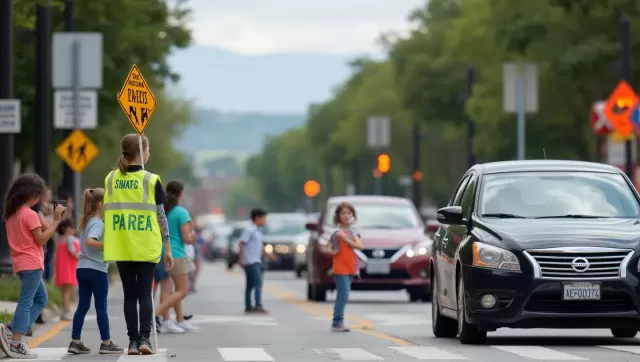
Most people envision school crossing guards as guardians of children, ensuring safe passage to and from school. They stand as beacons of safety, braving traffic to protect our most vulnerable. However, a recent investigative report has revealed a disturbing reality: being a school crossing guard is far more dangerous than commonly perceived. The investigation, spearheaded by The Associated Press and Cox Media Group, paints a grim picture of risks faced daily by these unsung heroes.
A Profession Under Threat: The Alarming Statistics
The study uncovered that over the past decade, at least 230 school crossing guards across 37 states and Washington, D.C., have been struck by vehicles. Heartbreakingly, nearly three dozen lost their lives. This data, meticulously compiled from incident and accident reports obtained from nearly 200 police departments, only represents a fraction of the actual incidents, suggesting the problem is even more widespread than initially thought.
The investigation also highlighted a troubling trend of leniency towards drivers involved in these incidents. Shockingly, over 70% of drivers who struck crossing guards received only traffic tickets or faced no charges at all. Furthermore, a significant number of incidents involved hit-and-run scenarios, with as many as 40 of the 230 accidents falling into this category. In at least six of these cases, law enforcement was unable to identify the drivers who fled the scene, leaving victims and their families without justice.
The Data Gap: A Systemic Failure in Tracking and Reporting
A significant impediment to addressing this issue is the lack of comprehensive data collection. No federal agency maintains a comprehensive record of crossing guard accidents, hindering efforts to understand the full scope of the problem. Only two states, New Jersey and Massachusetts, have made a concerted effort to track crossing guard safety, highlighting the fragmented and inadequate nature of current monitoring systems. This lack of unified tracking leaves a void in our understanding of the true risks and makes it challenging to implement effective preventative measures nationwide. The patchwork of state and local policies further exacerbates the problem, leading to inconsistent levels of protection for crossing guards across the country.
Why is this happening? Factors Contributing to the Danger
Several factors contribute to the elevated risk faced by school crossing guards:
- Distracted Driving: The rise of smartphones and other in-car distractions has significantly increased the risk of drivers failing to pay attention to their surroundings.
- Speeding in School Zones: Drivers exceeding speed limits in school zones pose a direct threat to crossing guards and children alike.
- Insufficient Traffic Control Measures: Inadequate signage, poorly designed crosswalks, and lack of traffic calming measures can create hazardous conditions for crossing guards.
- Lack of Driver Awareness: Many drivers may not fully appreciate the presence and role of crossing guards, leading to careless driving behaviors.
- Limited Training and Resources: Some crossing guards may not receive adequate training or be equipped with the necessary safety gear to perform their duties safely.
Seeking Solutions: Addressing the Crisis
Recognizing the urgency of the situation, states and communities are exploring various solutions to improve crossing guard safety:
- Legislative Action: Some states are considering legislation that grants towns and school districts greater authority to implement safety changes, such as lowering speed limits and enhancing traffic control measures.
- Technological Advancements: Exploring the use of technology, such as automated traffic signals and pedestrian detection systems, to reduce the reliance on crossing guards in high-risk areas.
- Community Involvement: Engaging community members to assist with traffic management during peak hours, supplementing the efforts of crossing guards.
- Infrastructure Improvements: Investing in infrastructure improvements, such as installing flashing crosswalk signs, constructing pedestrian islands, and re-routing traffic away from schools, can create safer environments for crossing guards and pedestrians.
- Increased Driver Education: Conducting public awareness campaigns to educate drivers about the importance of obeying traffic laws in school zones and respecting the role of crossing guards.
- Enhanced Training and Equipment: Providing crossing guards with comprehensive training on traffic management techniques, risk assessment, and emergency procedures, as well as equipping them with high-visibility vests, stop signs, and communication devices.
A Stark Reality Check: Crossing Guards Among the Most Dangerous Professions
Despite these efforts, the job of a crossing guard remains perilous. Recent data indicates that crossing guards and school flaggers were among the top fifth of deadliest jobs in 2023. This alarming statistic places their risk level on par with professions like power line installers and air transportation workers, underscoring the severity of the dangers they face. Furthermore, a crossing guard is the only occupation in that top fifth that interacts with children daily, highlighting the unique vulnerability they face.
A Call to Action: Protecting Those Who Protect Our Children
The findings of this investigation serve as a stark reminder of the risks faced by school crossing guards. It is imperative that we take immediate action to improve their safety and protect those who dedicate themselves to safeguarding our children. By addressing the systemic issues, implementing effective solutions, and fostering a culture of safety and awareness, we can create safer environments for crossing guards and ensure that they can perform their vital role without risking their lives.
Table: Risk Levels of Other Professions
| Rank | Occupation | Risk Level |
|---|---|---|
| Top 5 | Power Line Installers | Very High |
| Top 5 | Air Transportation Workers | Very High |
| Top 5 | Crossing Guards | Very High |
A Collective Responsibility
The safety of school crossing guards is not just the responsibility of law enforcement or government agencies. It requires a collective effort from all members of the community. Drivers must exercise caution and obey traffic laws in school zones. School districts must prioritize safety improvements and provide adequate resources. And community members must support and advocate for the well-being of these unsung heroes. By working together, we can create safer environments for crossing guards and ensure that they can continue to protect our children without fear. Let us champion their cause and demand action to protect those who protect our future.