Comet Strike Theory: New Evidence for Ice Age Extinctions
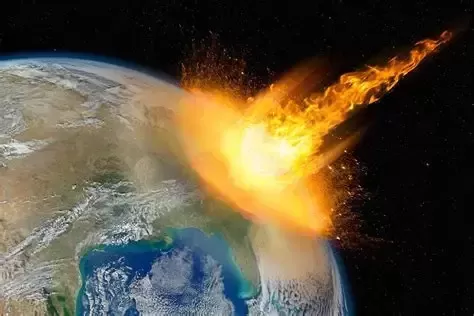
Recent geological findings are providing compelling evidence that a massive celestial event reshaped our planet approximately 13,000 years ago. A team of researchers, including experts from UC Santa Barbara, has identified microscopic clues suggesting that a fragmented comet entered Earth's atmosphere, triggering a series of environmental disasters. This cosmic encounter is increasingly viewed as the primary catalyst for the sudden extinction of iconic Ice Age giants and the mysterious disappearance of early human civilizations in North America.
Uncovering Microscopic Clues in Ancient Soil
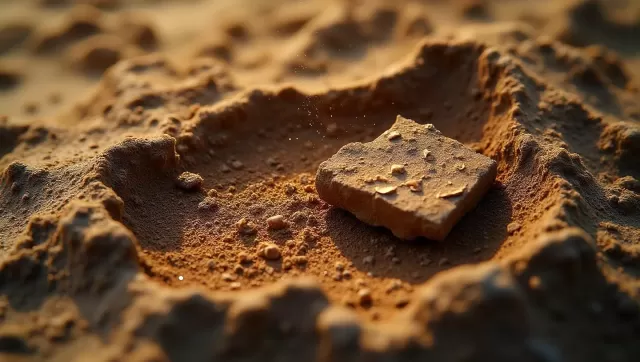
The latest breakthrough centers on the discovery of "shocked quartz" at several prominent archaeological locations, including sites in Arizona, New Mexico, and the Channel Islands of California. Shocked quartz consists of sand grains that have undergone intense physical transformation due to extreme heat and pressure. Unlike ordinary quartz, these grains exhibit unique structural fractures that are generally only produced during high-energy cosmic impacts.
By utilizing advanced imaging techniques like electron microscopy, scientists confirmed that these grains were subjected to forces far beyond the capacity of volcanic eruptions or localized fires. The presence of these grains provides a "smoking gun" for an atmospheric explosion that would have devastated the surrounding landscape.
The Sudden End of the Clovis Era and Megafauna
The timing of this celestial event aligns perfectly with a period of profound biological and cultural loss. For centuries, the Clovis people thrived across North America, recognized by their sophisticated stone tools. However, their presence abruptly vanishes from the archaeological record at the same time that many large mammals went extinct. The victims of this era included:
- Woolly mammoths and mastodons
- Giant ground sloths
- Saber-toothed cats
- Early North American camels and horses
Researchers suggest that the immediate blast, followed by massive wildfires and a subsequent "impact winter" caused by soot and smoke, created an environment where these species could no longer survive. This chain of events disrupted the food chain and forced human populations into a period of total collapse or radical reorganization.
The Younger Dryas: A Thousand-Year Freeze
This cosmic event coincides with the beginning of the Younger Dryas, a millennium-long period where the Earth's warming trend was violently reversed. Temperatures plummeted, returning much of the Northern Hemisphere to near-glacial conditions. While several theories have attempted to explain this sudden cooling, the impact hypothesis suggests that the comet fragments caused rapid melting of ice sheets. This influx of freshwater into the oceans likely disrupted global currents, locking the planet into a deep freeze that lasted for over ten centuries.
Explaining the Absence of a Traditional Crater
One of the most frequent arguments against the impact theory is the lack of a massive, singular crater similar to the one that ended the reign of the dinosaurs. However, modern computer simulations—specifically hydrocode modeling—demonstrate that comets can explode before they hit the ground. Known as "touchdown airbursts," these atmospheric detonations release incredible amounts of energy and shockwaves without leaving a deep scar on the Earth's crust. This explains why researchers find shocked quartz and scorched earth across vast regions rather than a single impact hole.
A Growing Mountain of Physical Evidence
The discovery of shocked quartz is not the only piece of the puzzle. Over the last two decades, scientists have identified a consistent "black mat" layer in the sediment—a dark, carbon-rich deposit that signals widespread burning across continents. Other markers found alongside the quartz include:
- High concentrations of platinum and iridium
- Microscopic nanodiamonds formed under pressure
- Metallic spherules and meltglass created by vaporized rock
This diverse array of geochemical evidence reinforces the theory that the end of the Ice Age was not a slow fade, but rather a violent transition triggered by a visitor from space. As analytical technology continues to improve, the case for a prehistoric cosmic catastrophe becomes increasingly difficult to ignore.